
Overview
Synopsis
A theatrical piece of distinct power, with some of Tennessee Williams’ most potent lyricism, The Glass Menagerie is a memory play as told to us by Tom Wingfield, a merchant marine looking back on the Depression years he spent with his overbearing Southern genteel mother, Amanda, and his physically disabled, cripplingly shy sister, Laura. While Amanda strives to give her children a life beyond the decrepit St. Louis tenement they inhabit, she is herself trapped by the memory of her life past-- a life of cotillions and suitors and wealth, now long gone. Tom, working at a shoe factory and paying the family’s rent, finds his own escape in drinking and going to the movies, while Laura pours her energy into caring for her delicate glass figurines.
Tom, pressured by his mother to help find Laura a suitable husband, invites an acquaintance from the factory to the apartment, a powerful possibility that pushes Amanda deeper into her obsessions and makes Laura even more vulnerable to shattering, exposed like the glass menagerie she treasures. Williams’ intensely personal and brilliantly tender masterpiece exposes the complexity of our memories, and the ways in which we can never truly escape them.
Show Information
Context
Tennessee Williams, born Thomas Lanier Williams III, was born in Mississippi in 1911. Like Tom Wingfield in The Glass Menagerie, Williams moved with his family to St. Louis, where their family became bankrupt due to his father’s drinking and the Great Depression. Bullied in school, Williams became very close with his sister, Rose, who (arguably like the character Laura) struggled with mental illness. As a young adult, Williams, like Tom, began working at a shoe factory. Eventually, he was
to read the context for The Glass Menagerie and to unlock other amazing theatre resources!Plot
SCENE ONE
The play opens on the fire escape of the Wingfield’s modest apartment in St. Louis, which faces an alley. Tom Wingfield, dressed as merchant sailor, step onto the fire escape and speaks directly to the audience, laying out both the historical and social context of his world, as well as the family unit itself. This is Tom in the future, introducing the audience to his memory play. Tom, entering the memory, steps into the Wingfield apartment, where he joins his mother, Amanda, and
to read the plot for The Glass Menagerie and to unlock other amazing theatre resources!Characters
Interactive Character Map
Visualize how the characters in The Glass Menagerie connect and drive the story.
Understand the relationships that shape the story of The Glass Menagerie
- See how characters connect at a glance
- Explore alliances, conflicts, and dynamics
- Dive deeper into each role
Character Portrayals
See StageAgent members who have performed roles in The Glass Menagerie.
Showing 8 of 13 portrayals






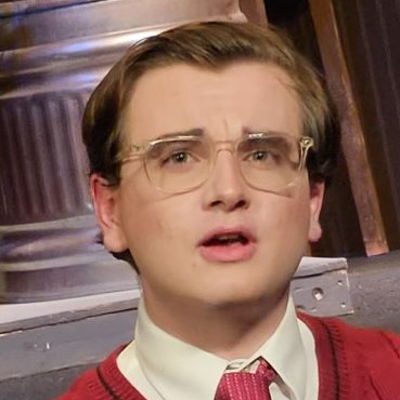
Want to be featured on this page? Update your credits.
Monologues
Scenes
Themes, Symbols & Motifs
THEMES
Illusion vs. Reality
One of the central themes of The Glass Menagerie is the tension between illusion and reality. Each character retreats into fantasy to avoid confronting painful truths. Amanda clings to memories of her Southern belle youth, exaggerating her past to preserve a sense of dignity and purpose. Laura escapes into her collection of glass animals and old records, withdrawing from a world she finds overwhelming. Tom turns to movies and poetry as a way to imagine a
to read about the themes, symbols and motifs from The Glass Menagerie and to unlock other amazing theatre resources!Quote Analysis
“Yes, I have tricks in my pocket, I have things up my sleeve.”
[Tom Wingfield; Scene 1]
This opening line establishes Tom as both narrator and participant, framing the play as a memory rather than objective reality. By calling his play a “trick,” Tom admits that what the audience sees is emotionally true rather than literally accurate, shaped by guilt and nostalgia. The quote highlights the theme of illusion vs. reality, suggesting that memory itself is a kind of performance. It also
to read our analysis of select quotes from The Glass Menagerie and to unlock other amazing theatre resources!Key Terms
A type of performance or script that draws directly from the playwright’s or actor’s personal life and experiences.
The imaginary wall separating the audience from the actors onstage, often 'broken' for direct address. This term plays a vital role in understanding theatrical structure and is commonly encountered in stagecraft or performance settings.
A historic economic crisis dramatized in plays to explore poverty, resilience, and social upheaval.
A dramatic form where a character recalls past events, often blurring reality with subjective perception.
A recurring element, such as a symbol, image, or phrase, that reinforces a play’s themes. Motifs help unify the structure of a work and deepen its symbolic meaning.

