Join StageAgent today and unlock amazing theatre resources and opportunities.
Research Playwrights, Librettists, Composers and Lyricists
Browse Theatre Writers
DISTANCE LEARNING HUB
Stephen Schwartz’s Wicked: The Untold Story of the Witches of Oz takes place before L. Frank...
One of the world’s most iconic and longest-running musicals, Les Misérables tells the story of Jean ...
“Be careful what you wish for” seems to be the ongoing theme in Stephen Sondheim and James Lapine’s ...
Based on the 1910 horror novel by Gaston Leroux, The Phantom of the Opera is a thrilling and...
It’s 1962 in Baltimore, Maryland, and quirky, plus-sized, teenage Tracy Turnblad has one dream: to...
Based on the smash hit 1991 Disney animated feature and dating back to a late 18th-century classic...
It’s 1959, and Rydell High School’s senior class is in rare form. The too-cool-for-school “Burger...
Based on Puccini’s beloved opera La Bohème, Rent follows the ups and downs of a year in the life of ...
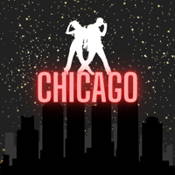
Broadway’s longest-running American musical, Chicago is a dazzling and satirical look at fame,...
Little Shop of Horrors is a delectable sci-fi horror musical with an electrifying 1960s pop/rock...
Inspired by the timeless story of Romeo and Juliet, West Side Story takes Shakespeare’s...
Based on the 1994 Disney animated feature film of the same name and William Shakespeare’s Hamlet,...
Gain full access to show guides, character breakdowns, auditions, monologues and more!
or log in to your account
UPGRADE TO PRO
SIGN UP
or or log in to your account